About
What this is
ʻĀina to Table is a food forest venture based in South Kona, Hawaiʻi, working in partnership with Nā Hoa Ululāʻau O Kalamawaiʻawaʻawa, the nonprofit that manages the land it grows on. This site is the venture's free information arm. It's built on three ideas, together, not separately:
- Food is one of the fastest ways to actually connect with a culture — and a real way for people to experience Hawaiian land and culture through what they eat, not just hear about it.
- Labor should share in the profit of the food it grows — not just be paid a wage to produce something someone else profits from.
- Restaurants deserve a real relationship with where their ingredients come from — not an anonymous line in a distributor's truck.
The information on this site — how to plan, design, and grow a food forest — is free and complete on its own, whether or not anything else here is ever relevant to you. If you're a restaurant interested in a direct grower relationship built on those same values, that conversation lives here.
What the data shows
The growing side of this isn't a hypothesis. Māla Kaluʻulu, a worker-owned cooperative farming the same historical breadfruit-canopy system a few miles from this site, is already proving the supply side works — see the case study and Further Reading. The demand side is documented too: real, farmer-reported demand outstripping supply for breadfruit, and a small, high-value retail and restaurant channel for kalo that most producers aren't set up to reach. See Direct-to-Consumer Markets for the full picture.
Food Is How You Meet a Place
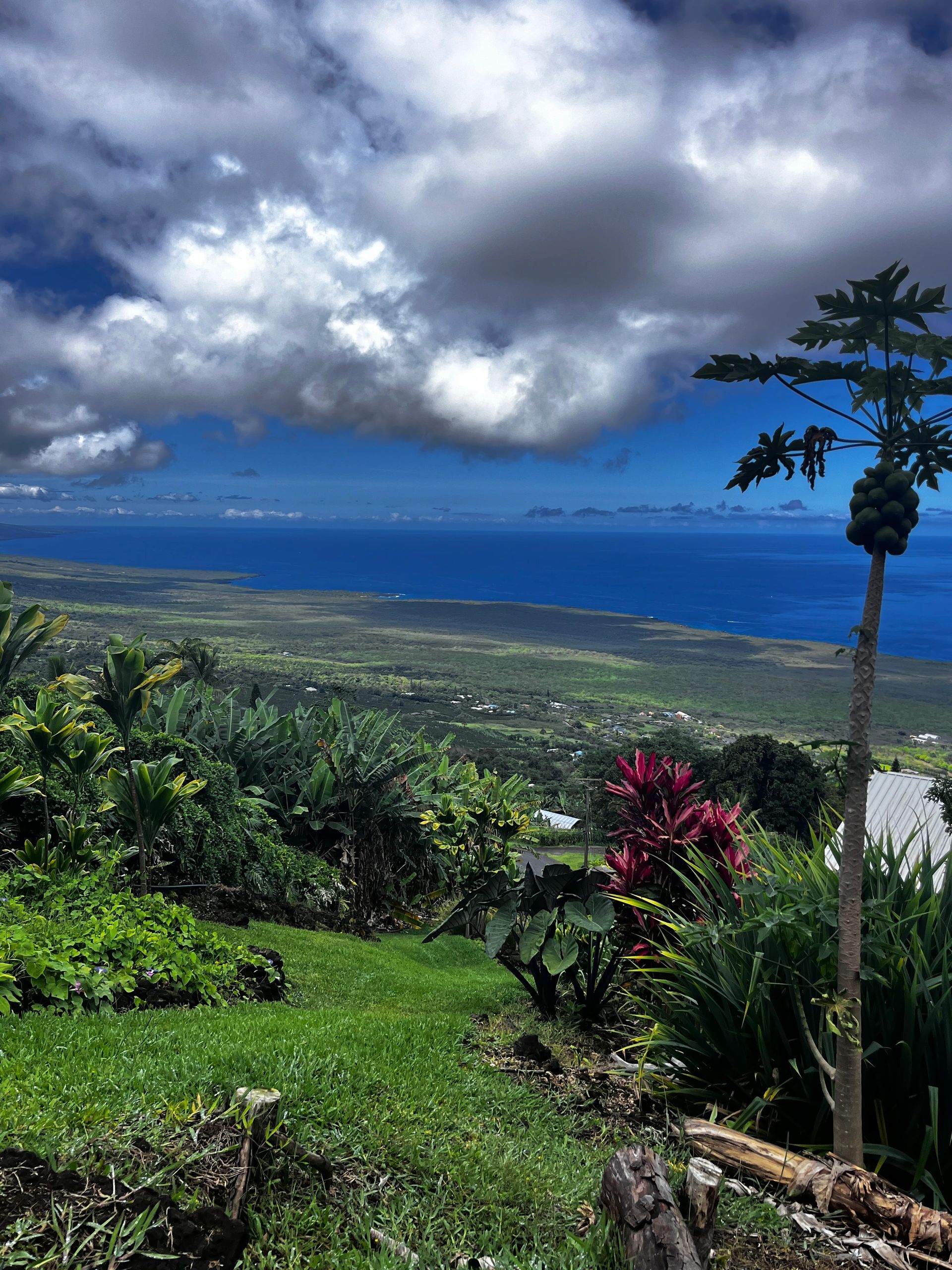
Food is one of the fastest ways to connect with a culture. A place can be described, or it can be tasted. Hawaiian values treat that as self-evident: land is experienced through food, and cuisine is one of the most direct ways a culture expresses itself.
This site is a philosophy as much as it is a technique library. Giving restaurants, and the people eating at them, a genuine way to experience Hawaiian land and culture through food is valuable on its own terms. The supply chain — real growers, real land, real crops — is what makes that experience real.
This is meant to benefit the people whose culture it draws from, directly. Native Hawaiians should be the ones growing, cooking, and profiting from that expression of culture, not referenced by it from the outside. That's the link to the three values below: the people doing the work hold a real stake in what the food is worth.
Three values this is built on
Laulima
Many hands. Loʻi kalo and the wider ahupuaʻa were traditionally worked communally — people tending land together, sharing what it produced, not laboring for someone else's profit. The plantation era replaced that with wage labor for absentee owners. This venture's labor-equity model returns to laulima, applied to a modern supply chain.
Mālama ʻāina
Caring for the land so the land can care for you back. A reciprocal relationship, applied to how this food forest is actually grown — not an extraction.
Kuleana
The responsibility that comes with any privilege or access. Access to land, and to what it grows, carries a duty back to the land and to the people eating from it.
Kalo carries additional weight here. In Hawaiian tradition, kalo's origin story places it as the elder sibling of the Hawaiian people, grown from the first ancestor, Hāloa. Growing kalo, and feeding people from it, passes something forward older than any business — ʻohana, carried through food. See How Poi Is Made for what happens to kalo after it's harvested.
A product that represents everyone who made it
Laulima applied to a business means more than fair pay. When the people growing, harvesting, and cooking hold a real, structural stake in what they produce, the food stops being a commodity moving through a supply chain. It becomes a product that represents everyone who touched it, not one owner's operation. What ends up on a plate carries the growers, the cooks, the land, and the values behind them forward — not just a paycheck for the people who grew it.
(This is a working philosophy, not a plaque — stated plainly rather than left implicit. If you're Kanaka and something here doesn't sit right, say so.)
Where the knowledge comes from
Nearly everything Hawaiʻi-specific on this site — the species choices, the invasive-clearing sequence, the guild example — comes from a real, working site: Nā Hoa Ululāʻau O Kalamawaiʻawaʻawa, the nonprofit that manages and restores the South Kona land this venture partners with. The nonprofit runs the land's restoration work; ʻĀina to Table is the separate, commercial partner growing and selling from it under that partnership.
Further back than either organization, the knowledge itself is older than both. This exact district was farmed this way — kalo and ʻōlena among the crops grown under breadfruit canopy — for centuries before that stopped. What the nonprofit restores and this venture grows from isn't a new arrangement of old values; it's the resumption of a real, documented system. See the case study for what the record actually shows.
Where this stands right now
Early. The information library is real and complete for its current scope (wet-tropical / Hawaiʻi climates). The commercial side — the food forest supplying restaurants and farmers markets, and the labor-equity structure behind it — is still being built. That's stated here plainly rather than dressed up, for the same reason the case study is honest about its own early stage: useful information doesn't need to pretend to be more finished than it is.
Contact
Email: hello@ainatotable.com
If you're a restaurant interested in a future direct-sourcing relationship, or a homeowner with a question the Learn library didn't answer, this is the way to reach us for now — no form, just a real inbox.
(This address needs to actually be set up once the ainatotable.com domain is registered — treat it as reserved, not yet live, until then.)